The forest comes into bud as the snow melts, and in the next town along the rapeseed flowers begin to open. Lake Shikotsu in fresh green, Lake Utonai with its migrating birds — a season of soft light.
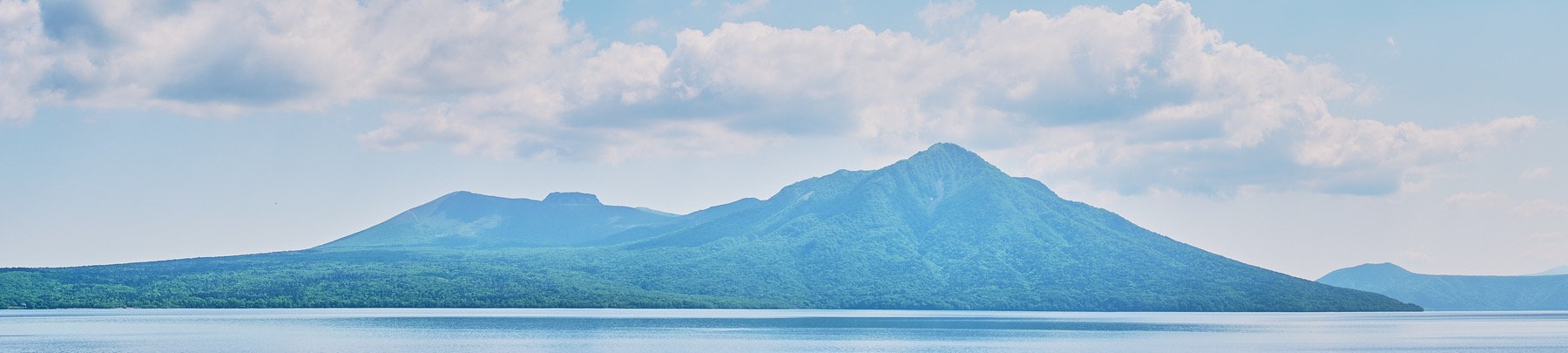
Lake Shikotsu (fresh green)
A caldera lake in Chitose, known for the clarity of its water. In spring the trees along the shore come into leaf, and you can enjoy the contrast between the new green and the water people call Shikotsu Blue. It works as a base for walking and for kayaking.
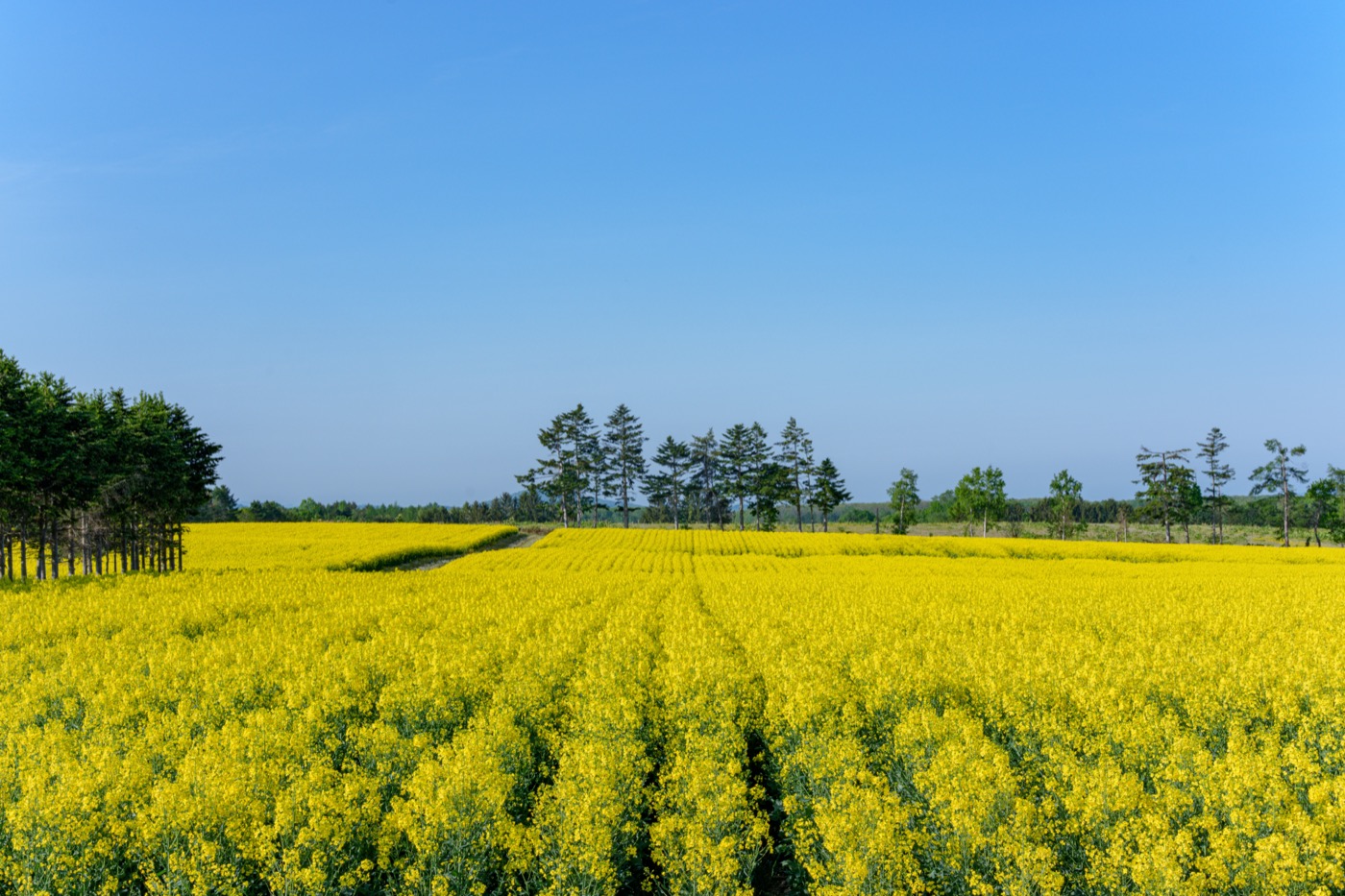
Rapeseed fields in Abira
In Abira, the next town along, rapeseed flowers spread across the hillsides in early summer. They are usually at their best from mid-May to early June, and events such as the Nanohana Sanpo walk are held while the flowers are out. The fields are working farmland, so please enjoy them from the designated places.
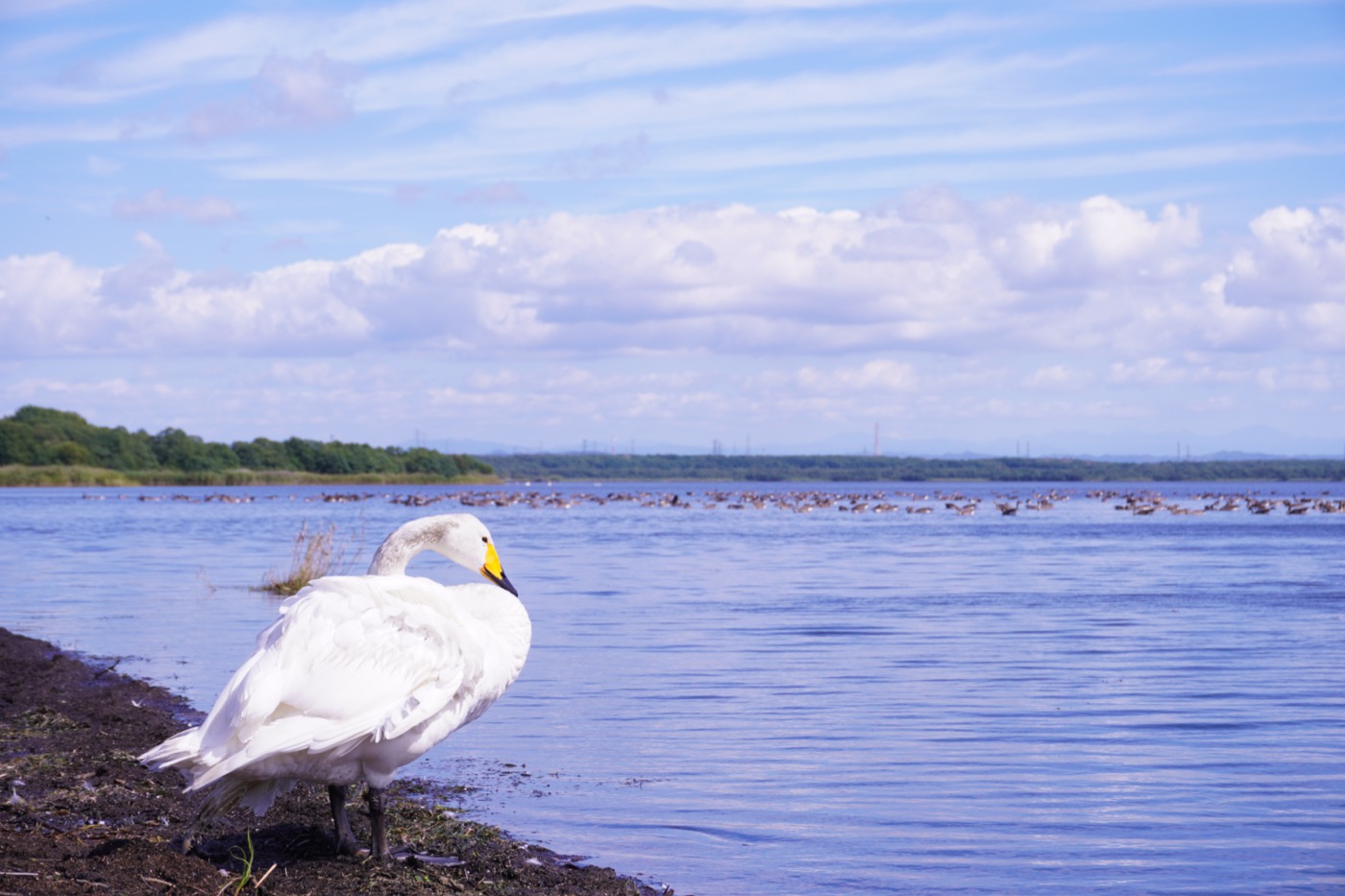
Lake Utonai (migratory birds)
Registered in 1991 as the fourth wetland in Japan to be listed under the Ramsar Convention. It is a staging point for migratory birds, and more than 270 species have been recorded here. Spring suits birdwatching, and there is a boardwalk to walk along.
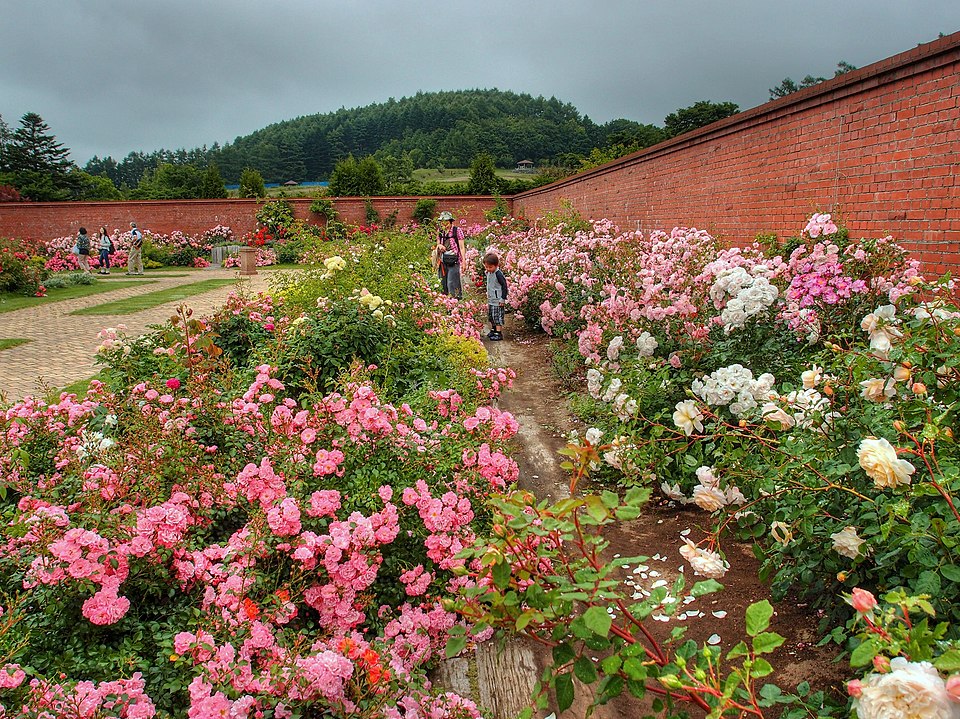
Yuni Garden
An English-style flower garden in Yuni Town. From spring into early summer the flowers of the season come out together. There is a farmers' market on site as well. The garden closes over the winter, so please check the opening period on the official site.
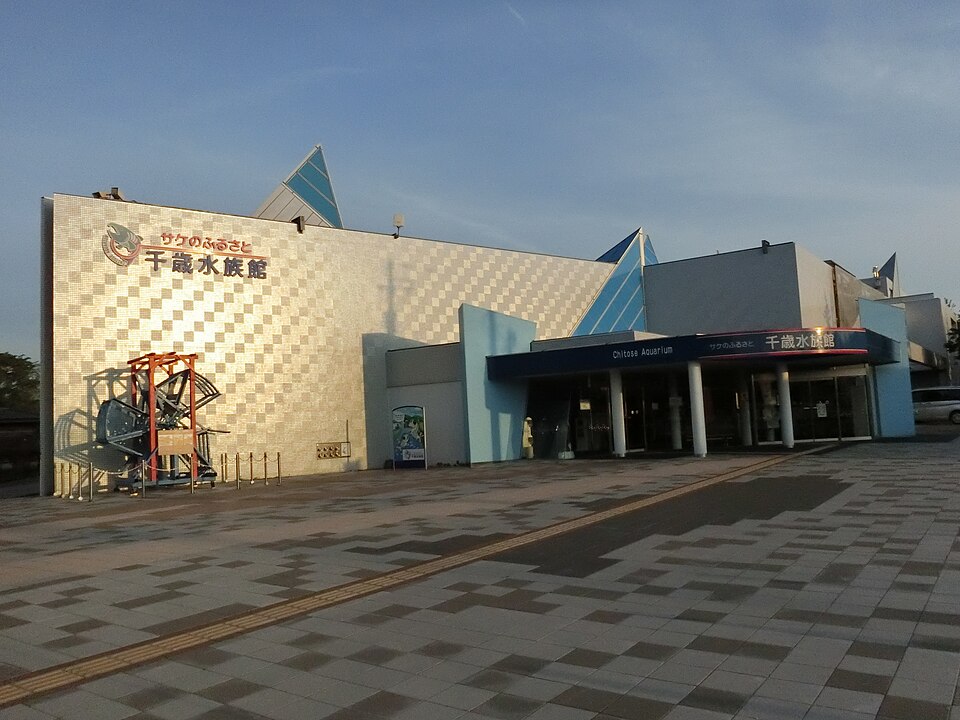
Chitose Salmon Aquarium
One of the largest freshwater aquariums in Hokkaido. An underwater viewing zone looks straight into the Chitose River, and the displays centre on the life of the salmon. It is open all year and does not depend on the weather.
The busiest season in Atsuma. Picking haskap berries, the surf beach on the Pacific, kayaking on Lake Shikotsu — the pleasures of being outdoors open up.
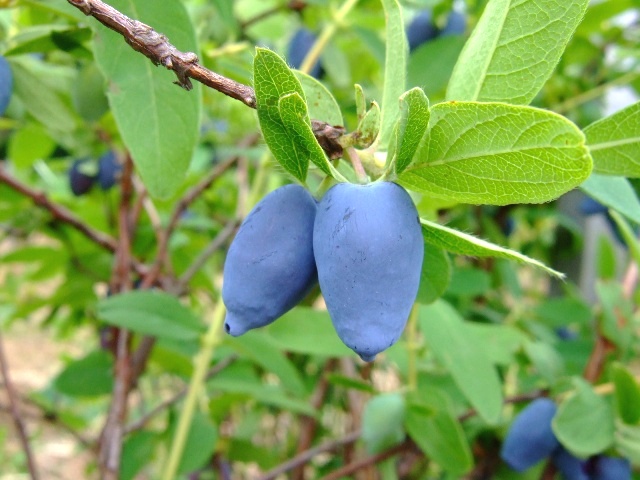
Haskap picking in Atsuma
Atsuma has the largest area under haskap cultivation in Japan. For a short period in summer, several orchards open for picking. This usually falls between late June and mid-July. Opening days vary by year and by orchard, so please check the latest information from the Atsuma Tourism Association.
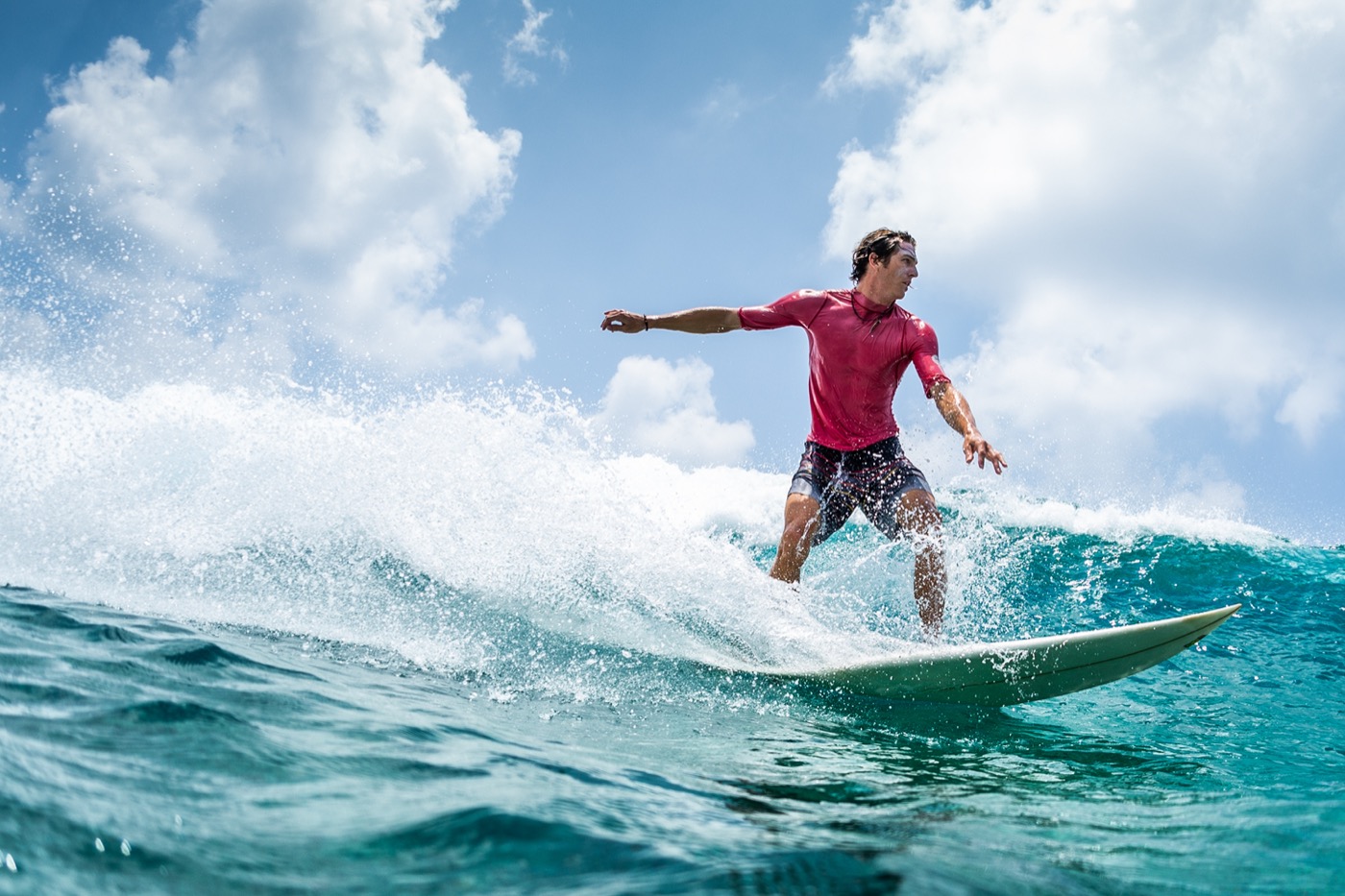
Hama-Atsuma Seaside Park
A surf spot on the Pacific coast that is well known within Hokkaido. There is free parking, along with toilets and showers. Events by the sea are held in summer. Please take care with the waves and the weather.
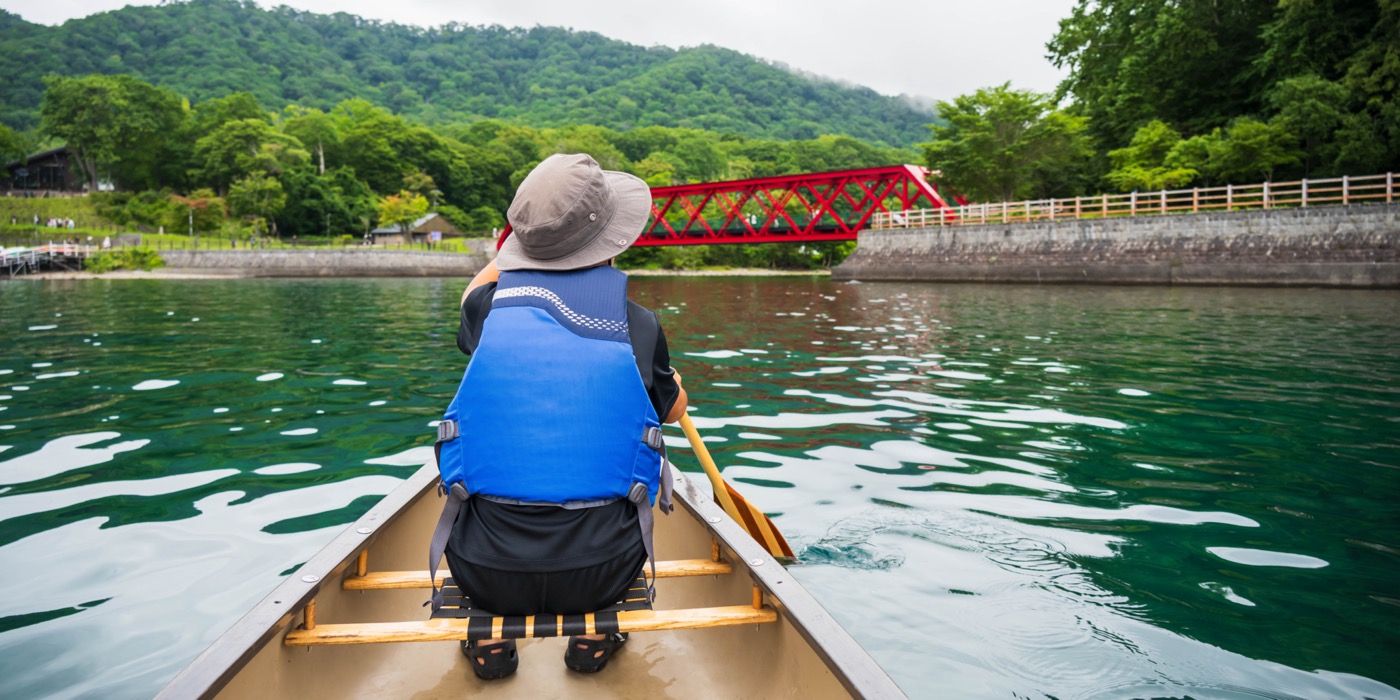
Clear kayaking on Lake Shikotsu
Lake Shikotsu is clear enough that clear-bottomed kayaks, which let you see below the surface, are popular here. From the water you can look out at the surrounding mountains. Guided tours make it possible for first-timers as well. Whether tours run depends on each guide operator's season and on the weather.
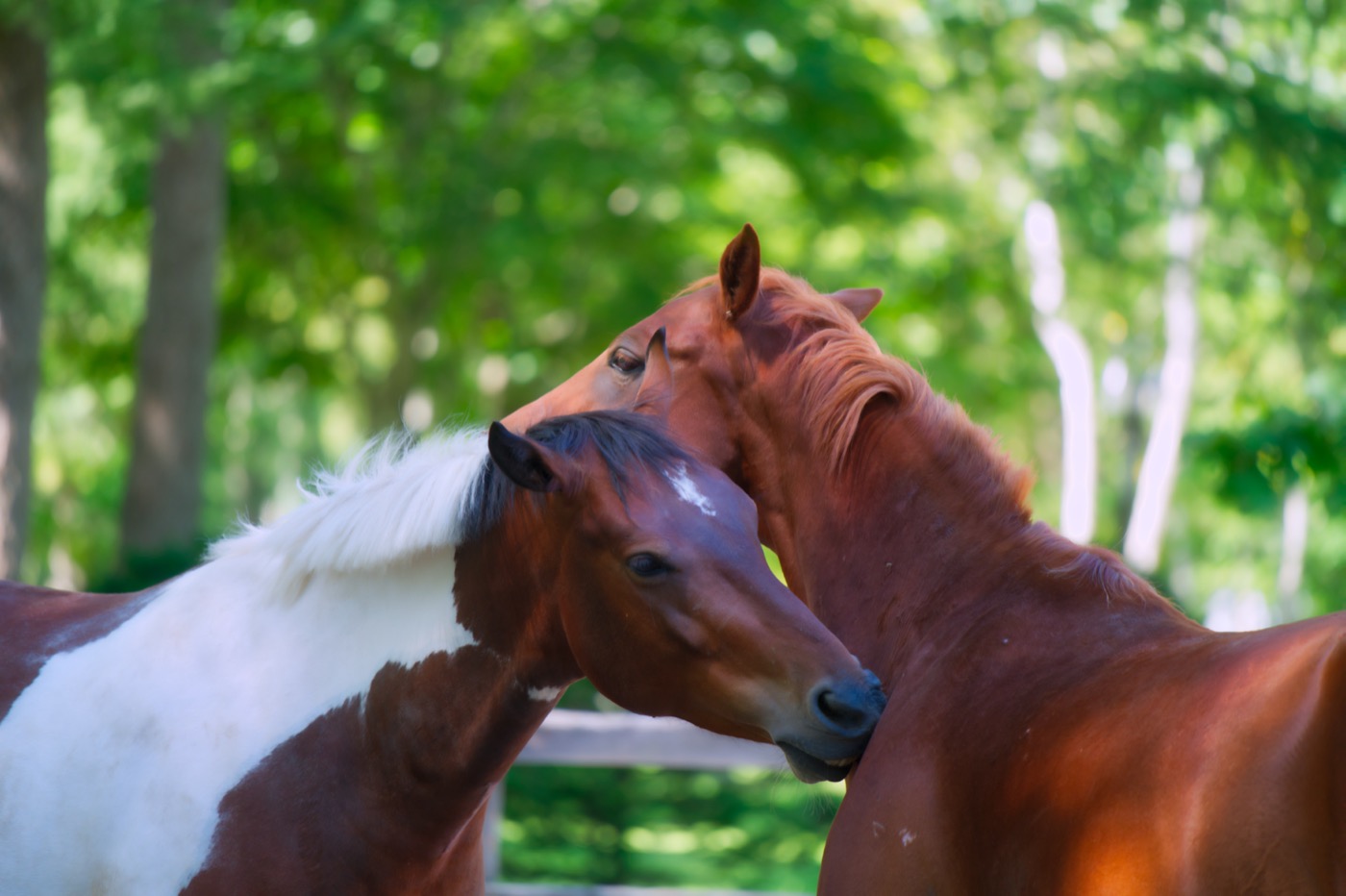
Northern Horse Park
A visitor park where you can spend time with horses. There is riding, there are horse-drawn carriages, and there is a wide lawn. A restaurant and a shop are on site, so you can take a whole day over it. An admission fee applies.
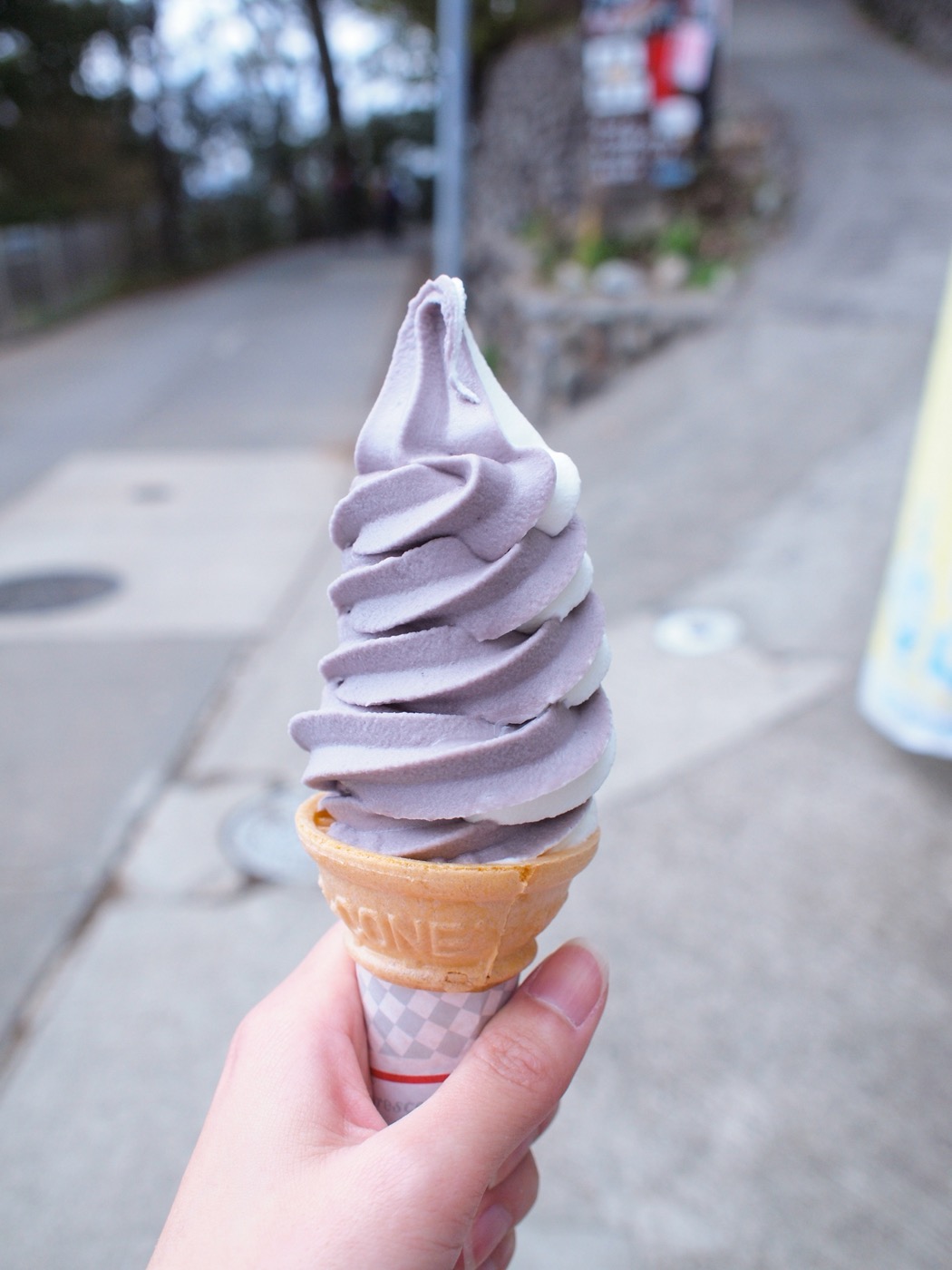
Haskap soft-serve (Kobushi-no-Yu Atsuma)
Pale purple soft-serve ice cream made with haskap berries grown in Atsuma. Juice, jelly and other local products are on sale too. At the bathing facility Kobushi-no-Yu Atsuma you can also eat and shop.
The mountains take on colour and the rice fields turn gold. New-crop rice from Atsuma, hokki surf clams from Tomakomai — the flavours of the harvest are part of the season too.
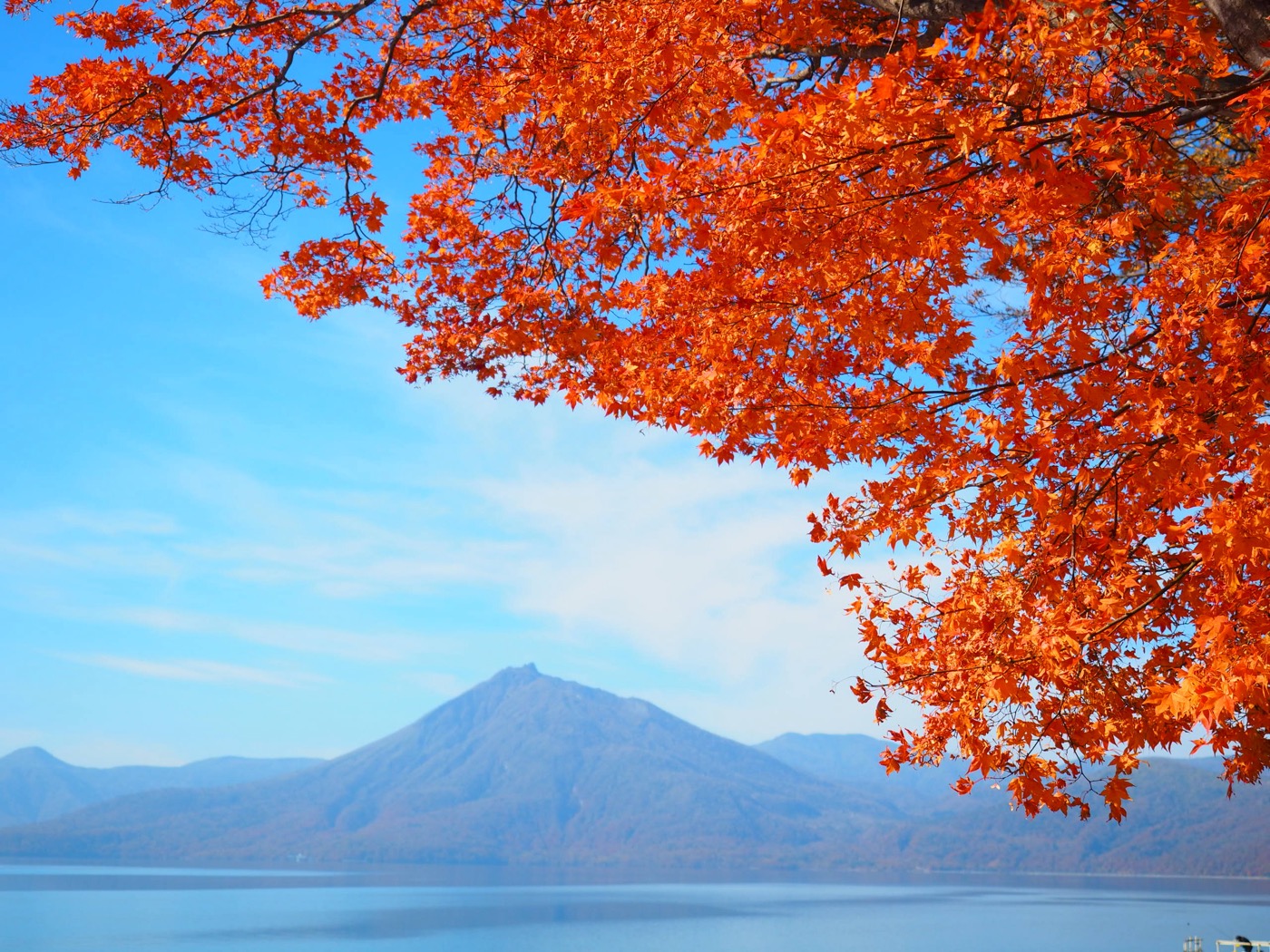
Lake Shikotsu (autumn colour)
Lake Shikotsu is known for its autumn colour, when the mountains around it turn red and yellow. The leaves reflected in the clear water belong to this season alone. It suits a walk along the shore, or a drive.
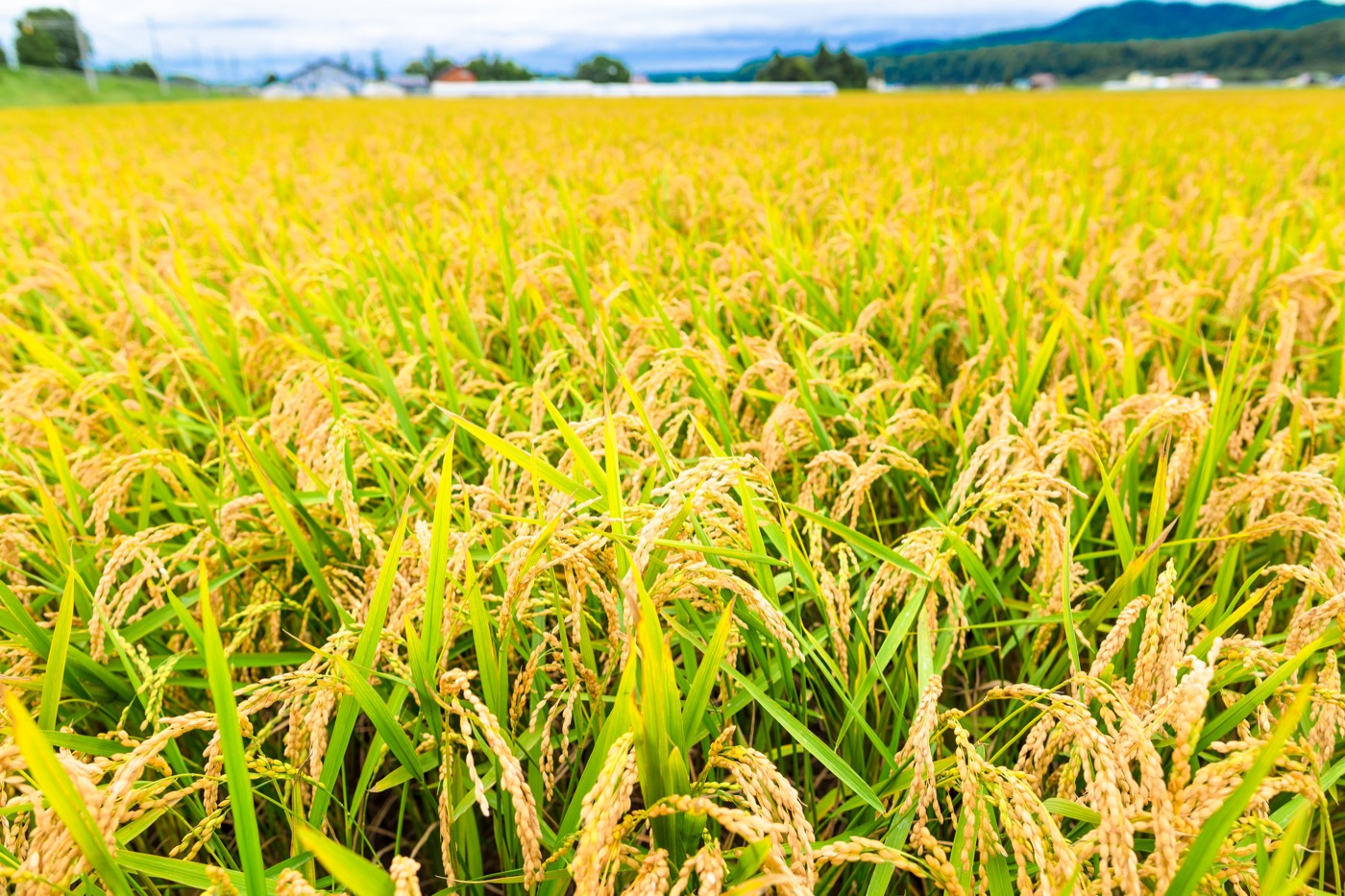
Atsuma's rice fields and Sakura-mai new rice
Atsuma is farming country where rice growing runs deep, and it produces the brand rice Sakura-mai (Nanatsuboshi). In autumn the fields spread out in gold. New rice and local products can be bought at Kobushi-no-Yu Atsuma and elsewhere.
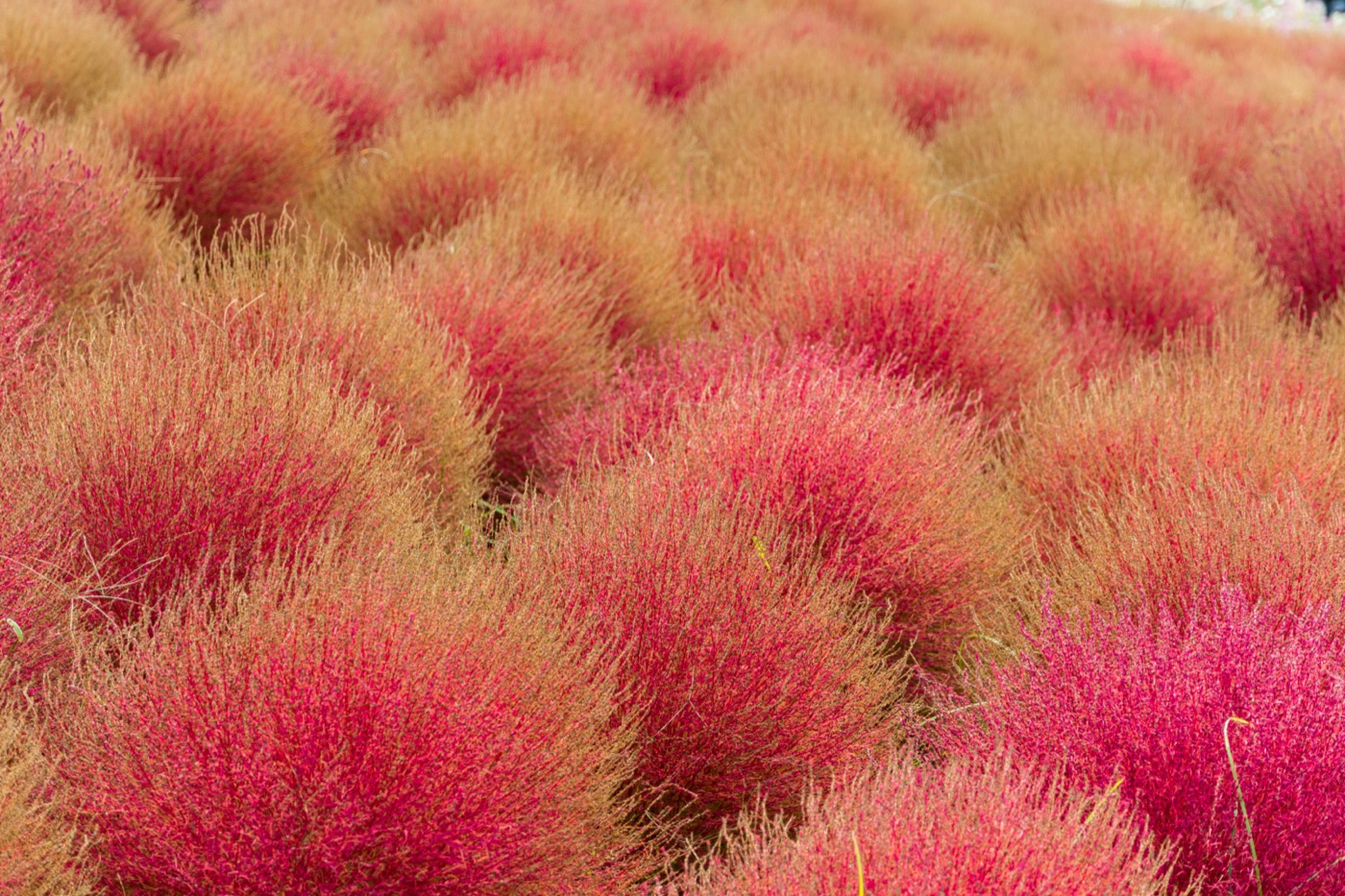
Yuni Garden (kokia)
At Yuni Garden in Yuni Town, the kokia bushes turn red in autumn. From flowers to kokia, the garden changes its expression with the season. Please check the opening period on the official site.
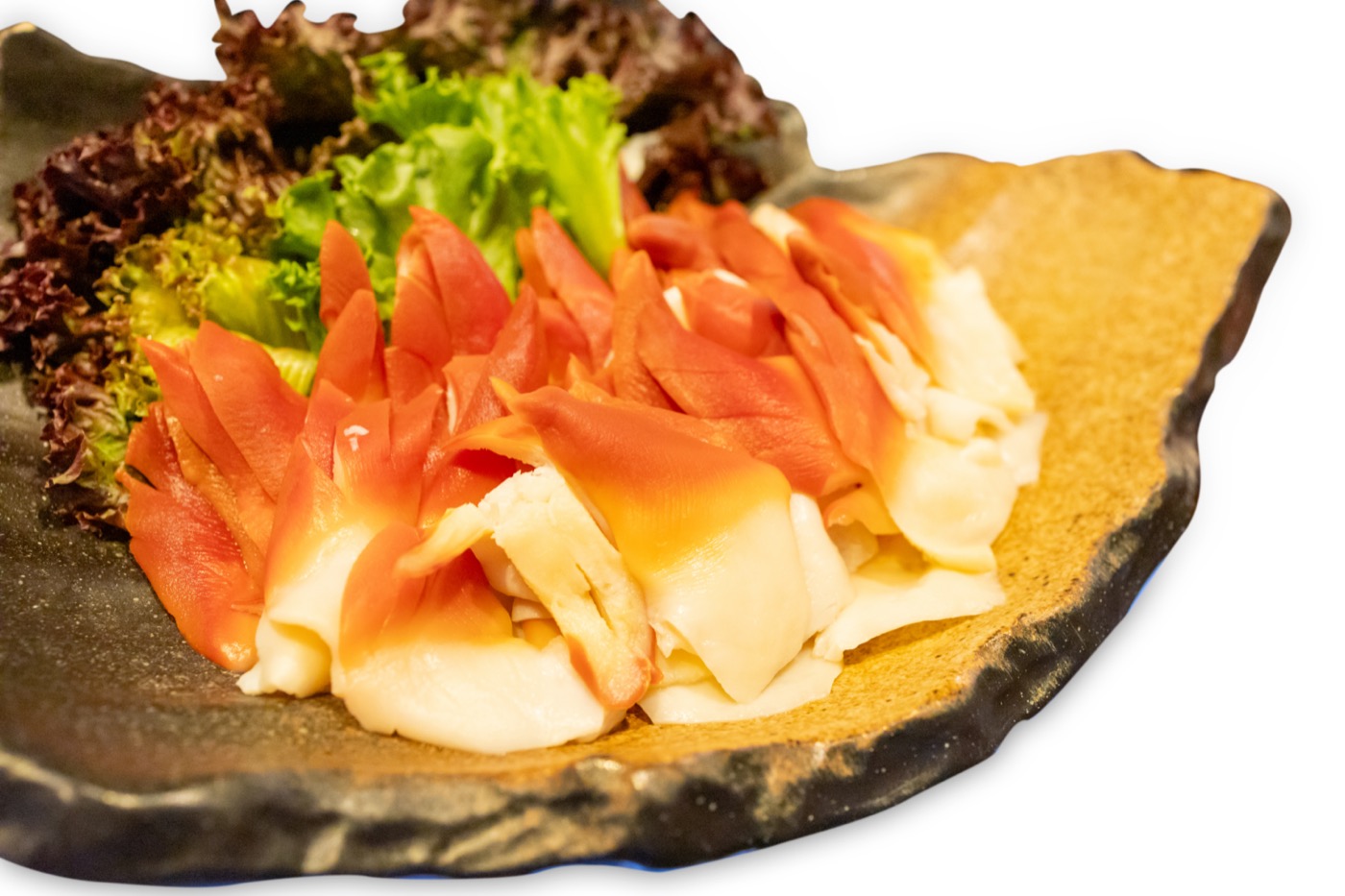
Hokki surf clams in Tomakomai
Tomakomai lands more hokki surf clams than any other municipality in Japan. Hokki curry, the local dish, is a familiar thing in the city. Autumn into winter is held to be the time to eat them.
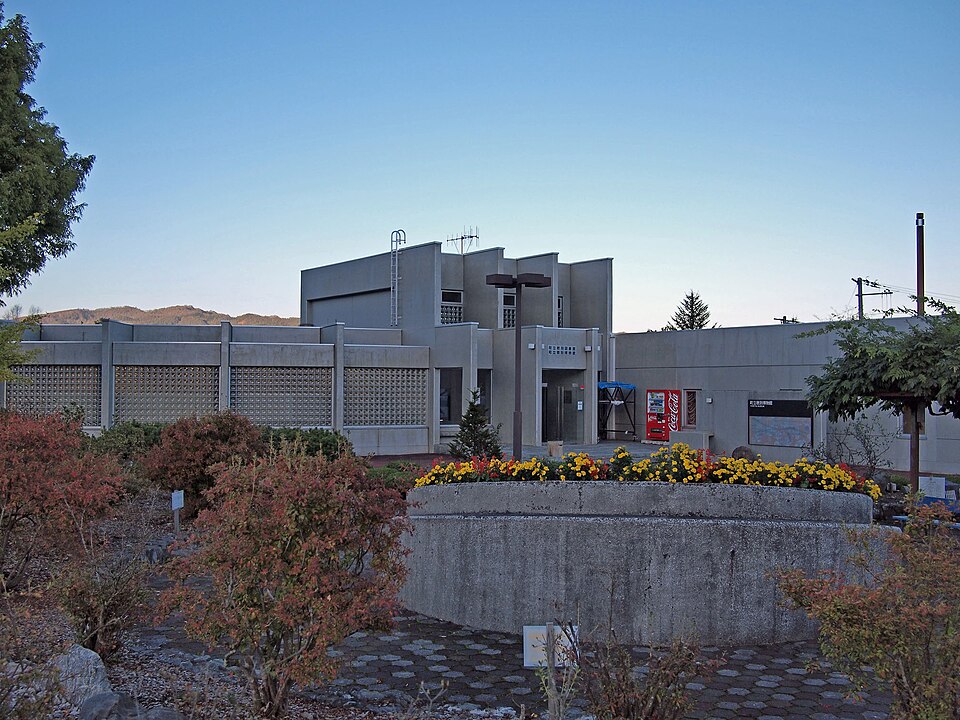
Mukawa Hobetsu Museum (dinosaurs)
A museum displaying the full skeleton of Kamuysaurus japonicus, a new species of dinosaur commonly called Mukawaryu. At about eight metres long, it is one of the largest dinosaur fossils in Japan. Ammonites and other fossils from Hobetsu are on show as well. Please check the official site for temporary closures.
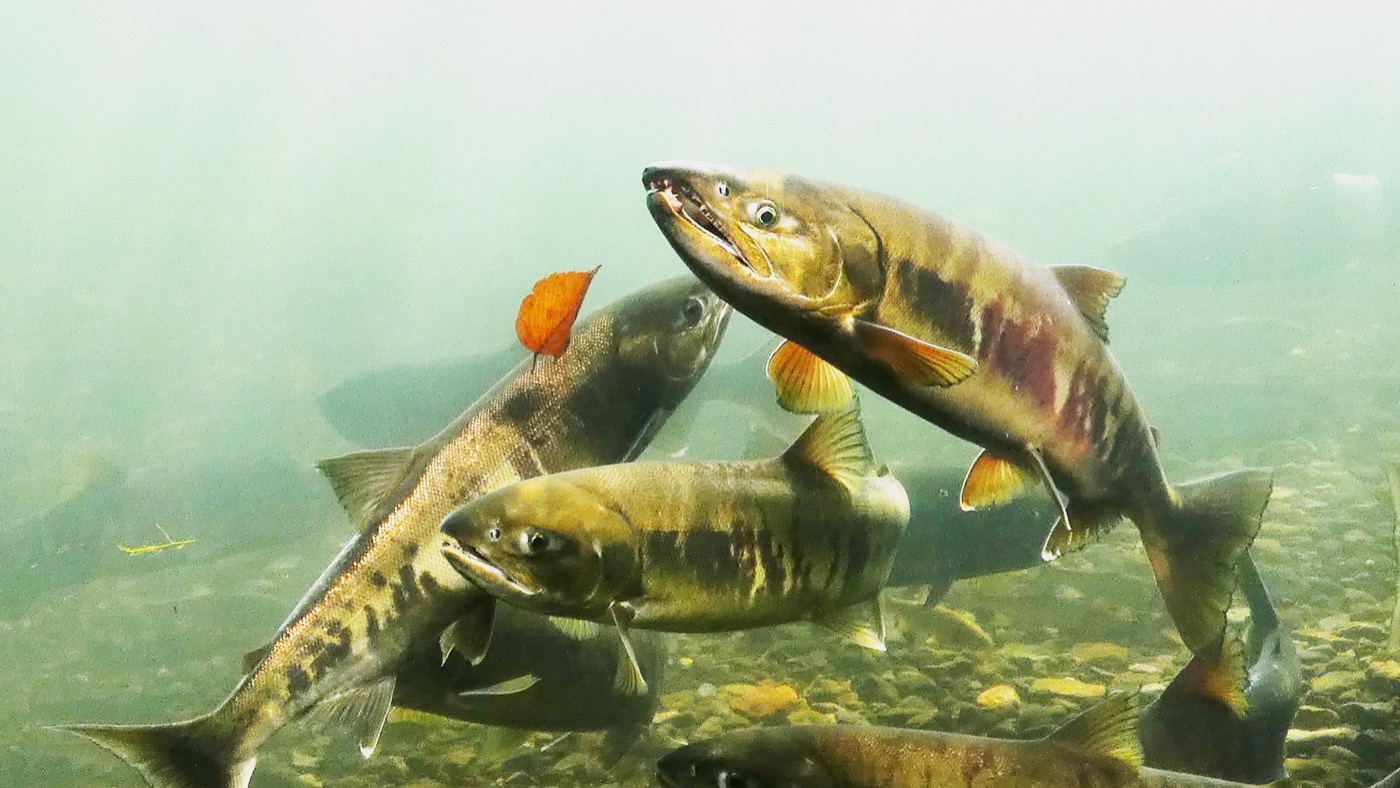
Chitose Salmon Aquarium (the salmon run)
Autumn is the season when the salmon run up the Chitose River. From the underwater viewing zone you can sometimes watch them climbing the river close at hand. It is one of the largest freshwater aquariums in Hokkaido.
The season of snow and ice. The Hyoto festival at Lake Shikotsu, swans coming down onto Lake Utonai — scenes that belong to a Hokkaido winter.
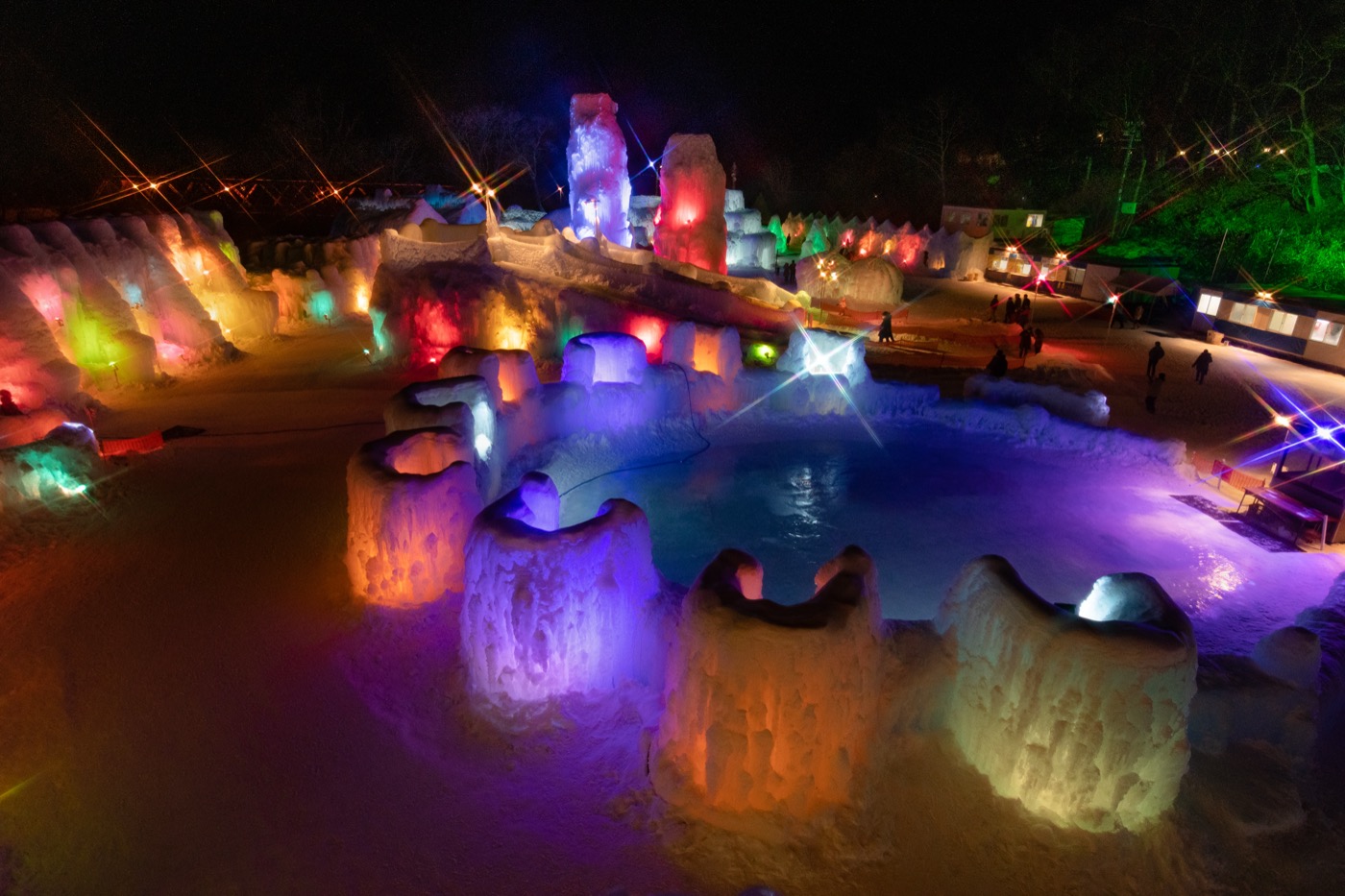
Chitose · Lake Shikotsu Hyoto Festival
A winter festival of ice objects, made by spraying water from Lake Shikotsu and letting it freeze. They shine blue by day and are lit up at night. It usually runs from late January into February. Please check the official information for the dates and for whether it is going ahead.
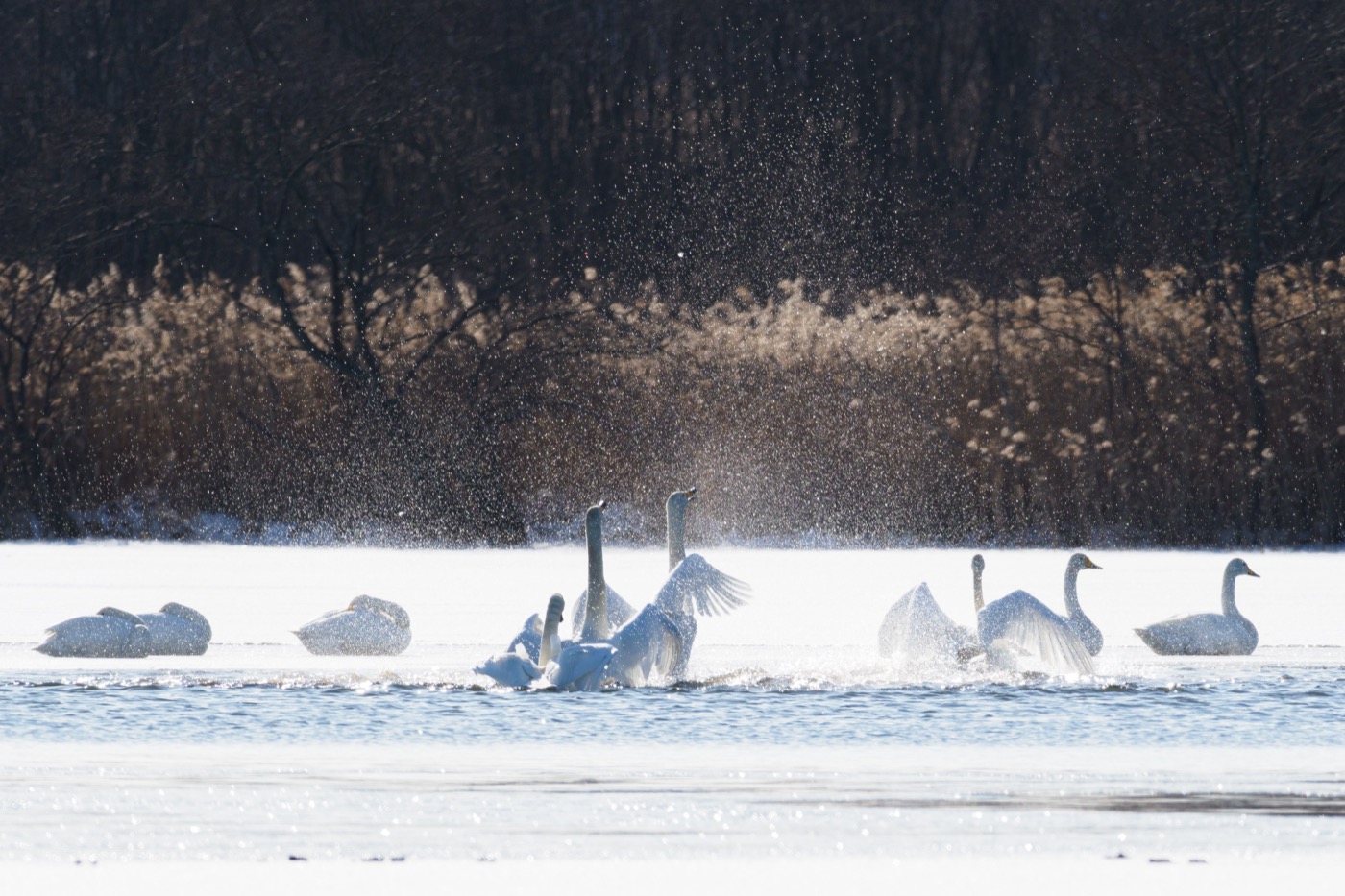
Lake Utonai (swans)
Swans, geese and ducks arrive at Lake Utonai, a Ramsar wetland, as winter comes on. From the shore you can watch the waterbirds resting their wings. Please dress warmly, and watch quietly.
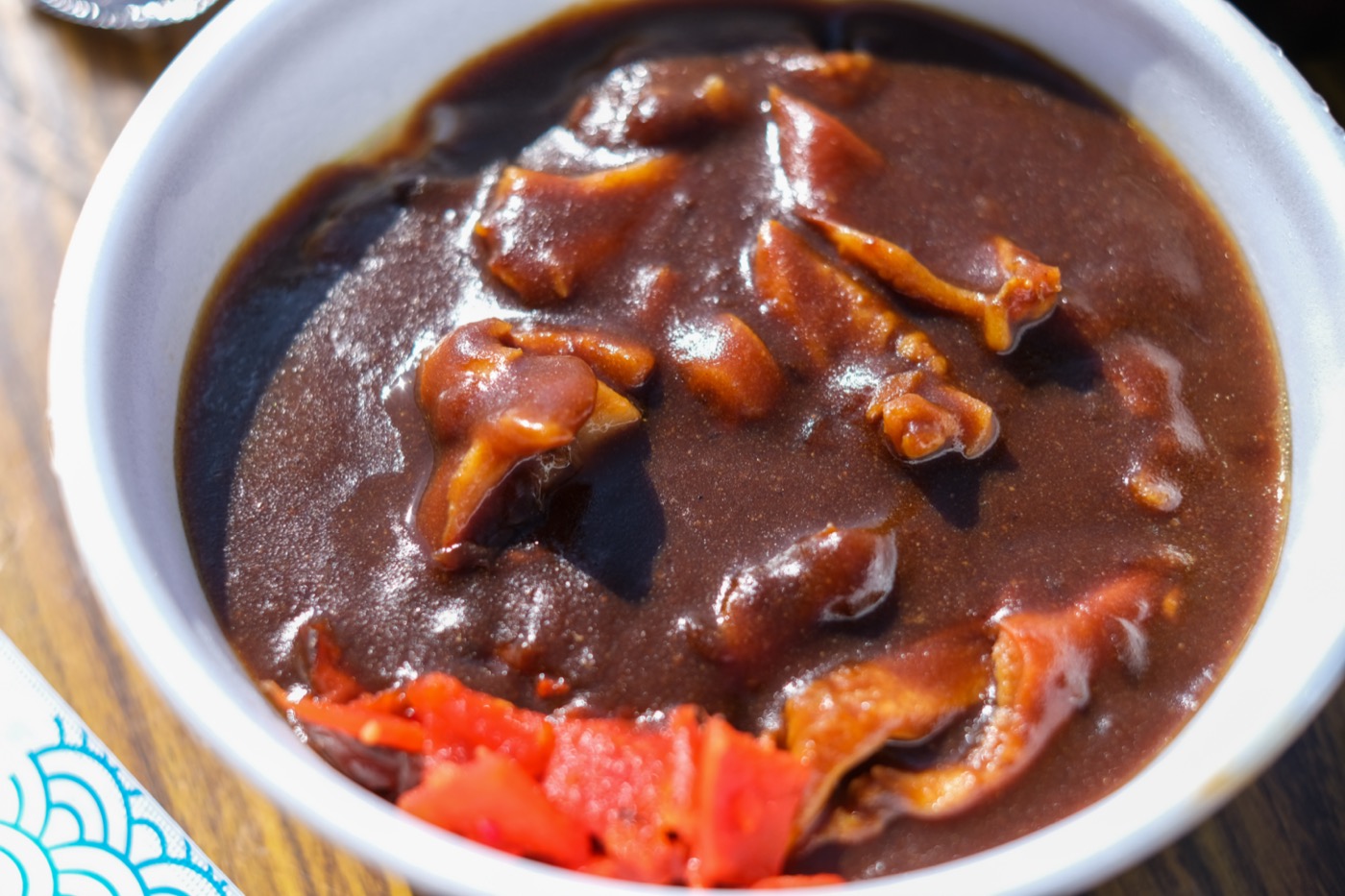
Tomakomai hokki surf clams and hokki curry
Tomakomai lands more hokki surf clams than any other municipality in Japan. Winter falls within what is held to be their season. Restaurants in the city serve hokki curry, the local dish.
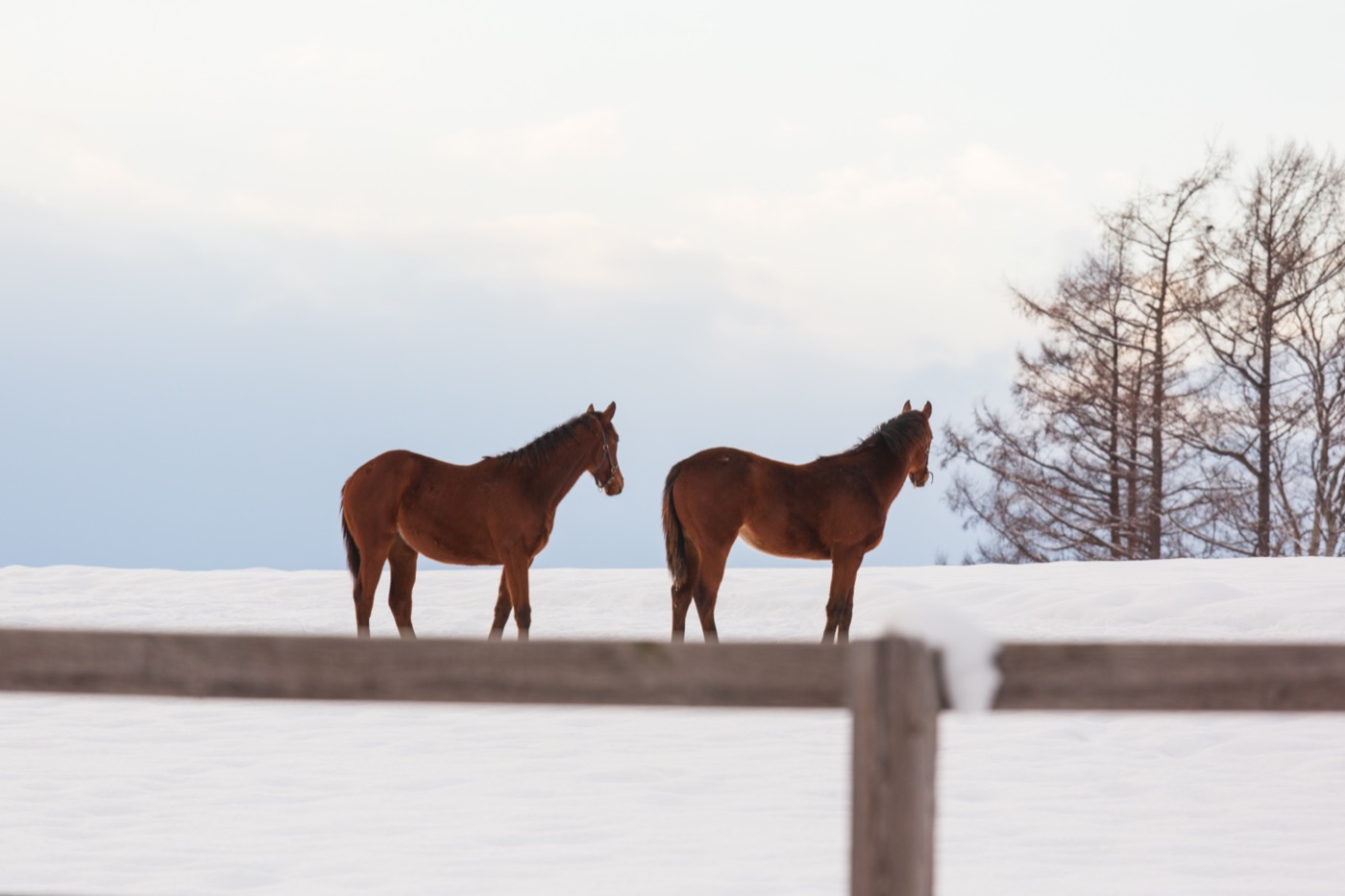
Northern Horse Park (winter)
A horse theme park that stays open through the winter. You can spend time with the horses in the snow, and there are indoor facilities as well. Opening hours and the admission fee change in winter, so please check the official site.
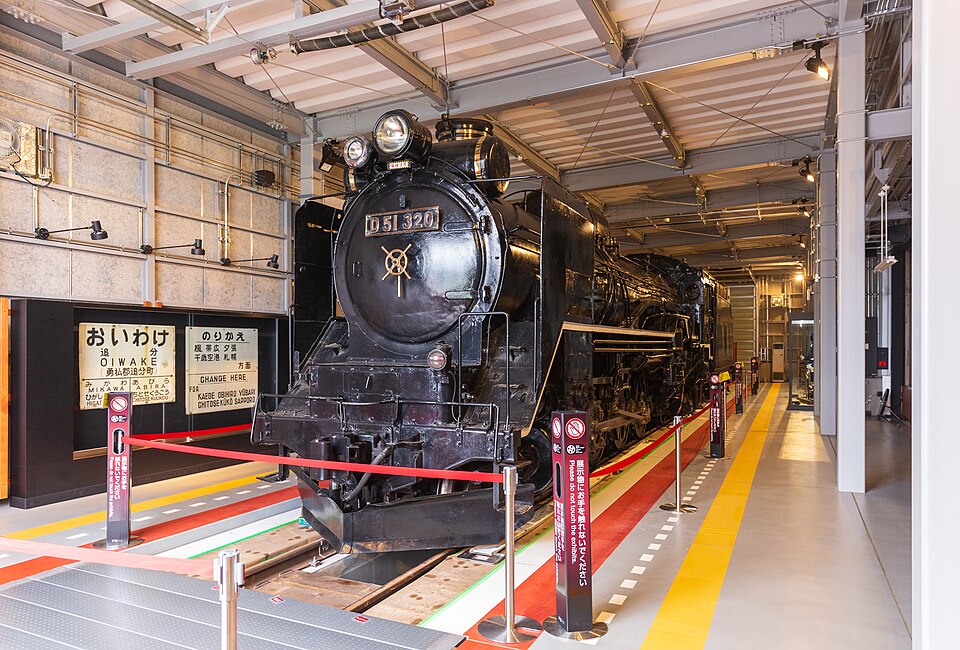
Michi-no-Eki Abira D51 Station
The roadside station in Abira, the next town along. It preserves and displays the D51 steam locomotive connected with the Oiwake locomotive depot. Local produce and the bakery are popular too. The railway museum opens on limited days in winter, so please check the official information.