Journal | 2026.08.30
This journal is about Atsuma's Sakura-mai rice, and the golden paddies that spread across the town in autumn.
Atsuma is rice country, and the local guide calls its brand rice Sakura-mai. Its real name is Nanatsuboshi, a well-known variety.
At Mori no Auberge Mitsu, this rice is cooked in an earthenware pot, and served as the breakfast rice.
Sakura-mai is really Nanatsuboshi rice
Atsuma is a farming town where rice growing runs deep. The local guide gives its brand rice a name, Sakura-mai.
Behind that name is Nanatsuboshi, a rice variety grown here. The two names point to the same Atsuma rice.
So the Nanatsuboshi you meet at breakfast at Auberge Mitsu is this same rice from Atsuma.
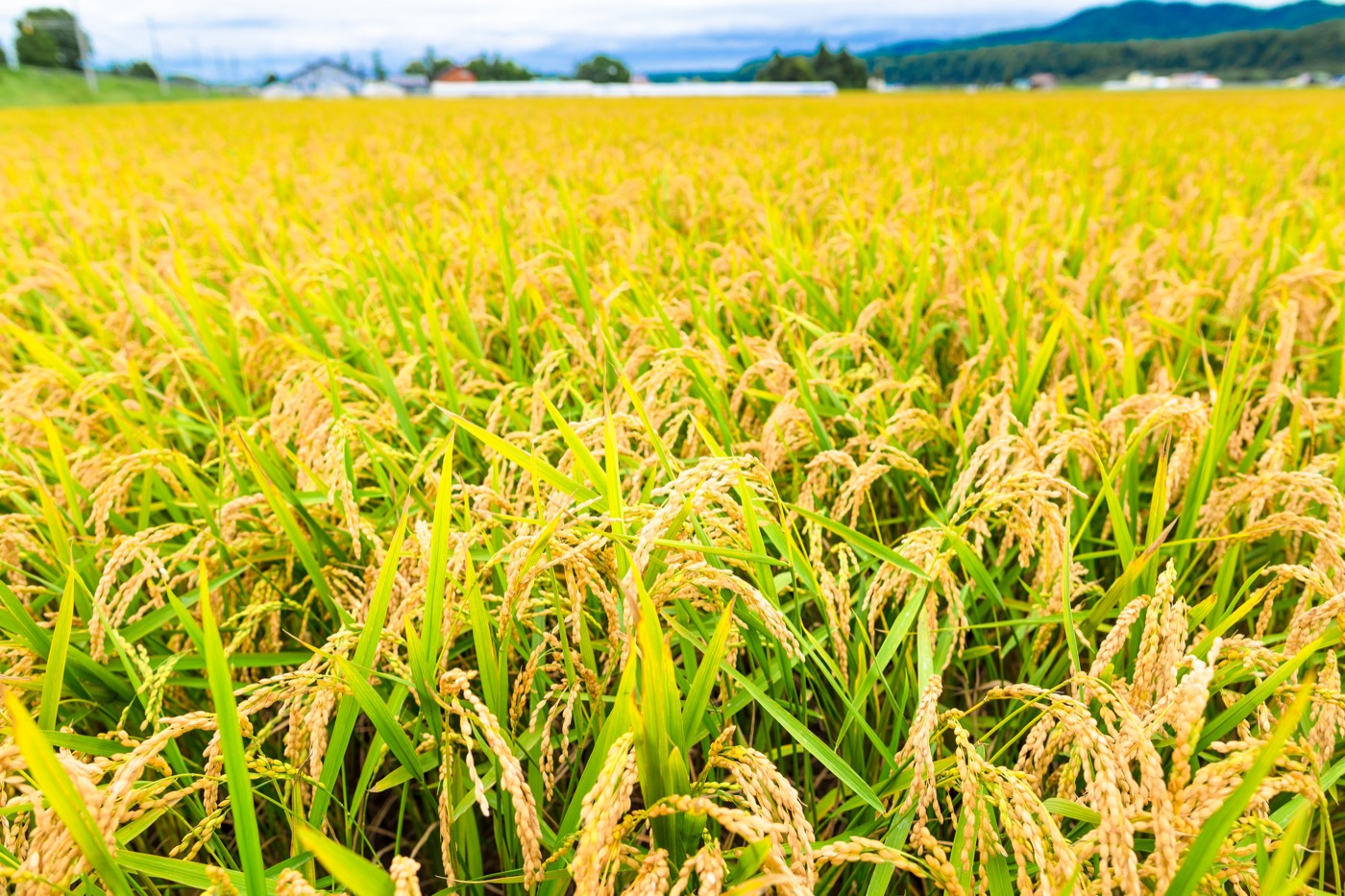
Golden paddies across Atsuma in autumn
When autumn comes, the fields of Atsuma ripen together. The local guide says the paddies turn a golden colour in this season.
As harvest nears, the whole spread of the fields glows gold. Once the rice is cut, it reaches tables as new rice.
Where to buy the new rice in Atsuma
You can take some of this new rice home along the way. The local guide says new rice and other local produce are sold at Kobushi-no-yu Atsuma, among other places.
If you would like to cook Sakura-mai at home, these are good places to look. You can find more of what to see nearby on the Around page.
Mori no Auberge Mitsu is about 30 minutes by car from New Chitose Airport, and about 15 minutes from the Atsuma interchange on the Hidaka Expressway. The paddies spread through the town around it.
Breakfast rice cooked in an earthenware pot
Breakfast at Auberge Mitsu is Japanese, and its centre is Nanatsuboshi rice cooked in an earthenware pot.
Beside it come a rolled omelette made with free-range eggs, rice in dashi broth with bonito flakes you shave yourself, grilled fish, seasonal side dishes and miso soup.
The words guests use most about the food are this rice from the pot. You can see the full breakfast on the Dining page.
The local rice on the dinner and breakfast table
The ingredients at Auberge Mitsu come straight from the fishermen and farmers of Atsuma and nearby. The rice is the Nanatsuboshi brand.
Dinner is an omakase kaiseki course that follows the Hokkaido season. Breakfast is served too, except on room-only plans.
To read more about the same local produce, see the Ingredients of Atsuma page.
Staying near the paddies of Atsuma
Mori no Auberge Mitsu takes three groups a night, in three rooms. They are named Ki, Mi and Tsuki.
It makes a quiet base for a trip to see the paddies of Atsuma. You can find more on the Staying in Atsuma page.
| Item | Detail |
|---|---|
| Check-in | 15:00–19:00 |
| Check-out | 10:00 |
| From New Chitose Airport | about 30 minutes by car |
| From the Atsuma interchange | about 15 minutes by car |
Frequently asked questions
What kind of rice is Atsuma's Sakura-mai?
It is the brand rice of Atsuma, and its real name is Nanatsuboshi. The local guide calls it Sakura-mai. Auberge Mitsu serves this rice at breakfast.
Where can I buy new rice in Atsuma?
The local guide says new rice and local produce are sold at Kobushi-no-yu Atsuma, among other places. It is worth a stop along the way. Mori no Auberge Mitsu sits among these fields.
What does Atsuma look like in autumn?
Atsuma is rice country, and in autumn its paddies turn gold. As the rice ripens, the whole spread of the fields glows with colour.
Is Atsuma rice served at breakfast at Mitsu?
Yes. Breakfast is Japanese, with Nanatsuboshi rice cooked in an earthenware pot. Beside it come a rolled omelette with free-range eggs, rice in dashi broth with bonito flakes you shave yourself, and more. The words guests use most about the food are this rice from the pot.